

Like Father, Like Book 📖
Why writing is like parenting | The best summer beach reads | Three essential fatherly memoirs | Poetry from Walt Whitman ✨

Hello all!
We’re celebrating Father’s Day at BookGo this weekend, and this issue contains reflections on fatherhood, writing, and the books that help us understand both. First up, Michael meditates on what it means to parent a text as lovingly as a child. It’s also the official start of the astronomical summer this weekend, so Nancy wades into the long, glorious history of the beach read. As a fitting addition, our poem of the week combines beaches and fatherhood: Walt Whitman’s “On the Beach at Night” views the cosmic movements of the heavens through the eyes of a father and daughter looking out from the shore. It’s quite beautiful. Finally, we have a round-up of three of our favourite fatherly memoirs for your summer reading list. Here’s what’s in store…
Table of Contents
Feature: “Fathering Your Writing” by Michael McKinley
Poem of the Week: “On the Beach at Night” by Walt Whitman
Feature: “Beach Books to Read and Re-read” by Nancy Merritt Bell
Reading Roundup: Three Great Fatherly Memoirs

Fathering Your Writing
By Michael McKinley
As a father, writing a Father’s Day piece, I feel lucky. I mean, I have a wonderful daughter to whom I have dedicated a couple of books now, and her presence on the planet has made me a better person in so many ways, so I tell myself. But my question is this: what does being a father have to do with writing?
Well, let’s broaden that question, or its answer a little. If you look at what you create in your writing as a kind of offspring of yourself, then everyone who writes is a parent. We are responsible for our creation. We have imagined it, then created it, and the world, as with our own physical children, will leave its imprint upon what we created.
Now that’s where parenting a text becomes like parenting a child. You want both to be prepared for the vicissitudes of real life. You give your child love and support, and you look out for the places in their life where they might be vulnerable. Same with a text. And as we all know, neither children nor texts are exempt from bullies, so it’s something that you can prepare for by making sure you have done as much bully-proofing to your text as possible.
How do you do that? Well, you set up the bulwarks. But sometimes, bullies make it through. So when your child is bullied, you talk to them about what happened, and you devise a strategy to make the bully stop. With a text, you can’t rewrite a line every time some dimwitted bully of a critic fails to understand your work, so you have to accept the fact that you have put the best offspring out there in the world within your powers, and if someone doesn’t like it, well, that’s life.
So, on this Father’s Day, if you have a piece that you want to write, think of it as you would think of a child. What does it need to have working for it to give it its best shot out there in the world? What can you do to show your reader that you, the creator, care about this work as if it were a child? The answer is to imagine that it is your child. Show it love, give it support, and then, when the time comes, release it to the world with confidence. That’s how you parent a written work, and if you do that, then no matter what happens, you will be a happy writer parent.
Poem of the Week
On the Beach at Night (1871)
By Walt Whitman
One of Whitman’s most tender poems, published in his Passage to India collection, “On the Beach at Night” depicts the comfort that a father offers his daughter when she’s overwhelmed by the encroaching darkness of the universe. “Something there is more immortal even than the stars.”
On the beach at night,
Stands a child with her father,
Watching the east, the autumn sky.

Up through the darkness,
While ravening clouds, the burial clouds, in black masses spreading,
Lower sullen and fast athwart and down the sky,
Amid a transparent clear belt of ether yet left in the east,
Ascends large and calm the lord-star Jupiter,
And nigh at hand, only a very little above,
Swim the delicate sisters the Pleiades.

From the beach the child holding the hand of her father,
Those burial-clouds that lower victorious soon to devour all,
Watching, silently weeps.

Weep not, child,
Weep not, my darling,
With these kisses let me remove your tears,
The ravening clouds shall not long be victorious,
They shall not long possess the sky, they devour the stars only in apparition,
Jupiter shall emerge, be patient, watch again another night, the Pleiades shall emerge,
They are immortal, all those stars both silvery and golden shall shine out again,
The great stars and the little ones shall shine out again, they endure,
The vast immortal suns and the long-enduring pensive moons shall again shine.

Then dearest child mournest thou only for Jupiter?
Considerest thou alone the burial of the stars?

Something there is,
(With my lips soothing thee, adding I whisper,
I give thee the first suggestion, the problem and indirection,)
Something there is more immortal even than the stars,
(Many the burials, many the days and nights, passing away,)
Something that shall endure longer even than lustrous Jupiter
Longer than sun or any revolving satellite,
Or the radiant sisters the Pleiades.
Beach Books to Read and Re-Read
By Nancy Merritt Bell
The invention of the Summer Vacation came in the later 1800’s when, in July and August, people thought it might be a plan to leave their airless homes, wrinkly linen suits, and serious literature, and head to the beach. And with this wondrous invention came another: the Summer Reading Season. But what we know and love as the Beach Read almost did not happen: the early Victorian summer offerings were derided by critics and religious leaders as promiscuous trash.
“These paper covered romances… the heroine an unprincipled flirt… chapters in the book that you would not read to your children at the rate of a hundred dollars a line?” wrote the Reverend T. De Witt Talmadge of Brooklyn, New York, in 1876. “I readily believe that there is more pestiferous trash read among the intelligent classes in July and August than in all the other ten months of the year.”
Within two years, beachgoers were casting off their copies of Tolstoy’s Anna Karenina and The Europeans by Henry James — both published in 1878. Then, instead of suffering along with the ill-fated affair of Anna and Count Vronsky, or Gertrude Wentworth and Felix Young, people thrilled at the hot couplings in Molly Bawn, by the Dutchess (aka Margaret Wolfe Hungerford), in what would become a dirty and flirty Irish classic.
Another paper-covered romance with another unprincipled flirt of a heroine heading to the beach that year was a saucy little book called Cherry Ripe, by Helen Mathers.
In the years since Molly and Cherry’s paper covers were pulled back on the summer sands, Beach Reads have become a favourite of readers and a bonanza for publishers. Summer reads, be they romances or thrillers, are incredibly lucrative, becoming the second-largest period for adult fiction sales after Christmas. With fast-paced, mass-market books, publishers can max their profits.
This year, summer started early for me with Emma Straub’s American Fantasy. Straub is the New York Times-bestselling author of This Time Tomorrow and All Adults Here — currently in development as a television series — and a devoted bookworm herself, having worked at the much-loved, now-closed Brooklyn bookshop BookCourt while writing her early works. She is a store owner as well, and with her husband has opened not one but two Books Are Magic, independent bookstores in Brooklyn.
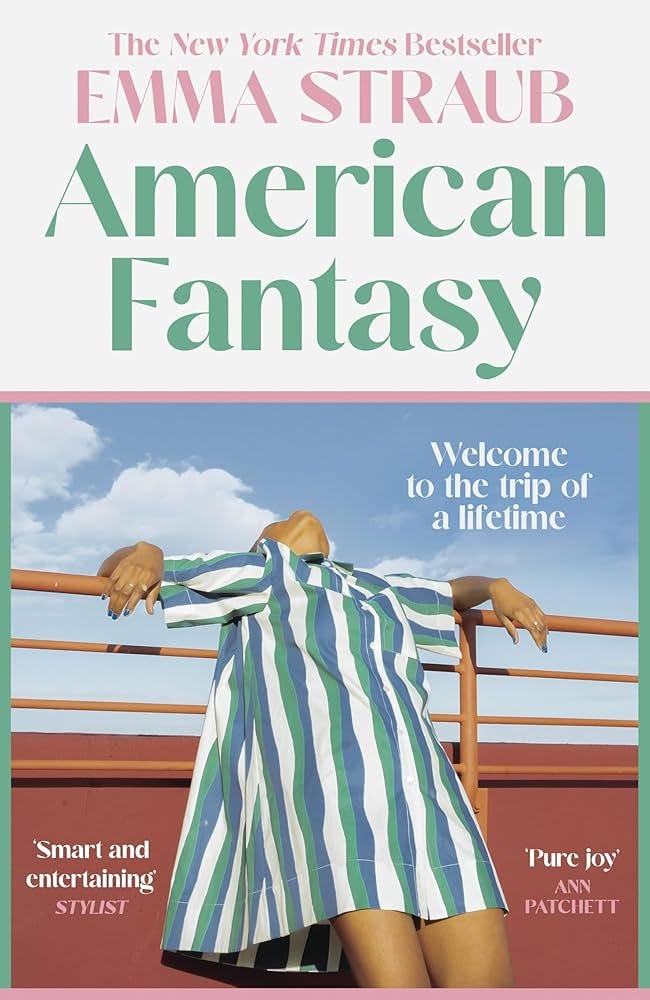
American Fantasy is haute-Straub, as funny as it is romantic. The book is set on a themed cruise with aging members of an 80s boy band and three thousand fans. Add an open bar and unlimited karaoke, and the characters live out their teen fantasies more fully in real life as grownups. The delight here is Straub’s writing: she is satiric without being cynical. The result is great good fun on every page, with a reckoning for our teen dreams and a shout-out for the capable adults we have become.
Not so new, but a mighty fine beach read for those who like mysteries and family sagas, is Liz Moore’s The God of the Woods. Set in summer, your camp nostalgia gets a dark double twist that grows grimmer still as the novel volleys between August 1975 and the summer of 1961. In 1975, thirteen-year-old Barbara Van Laar vanishes from her cabin at a sleepaway camp in the Adirondacks. A missing camper is cause for panic — but add to the horror that Barbara is the daughter of the camp’s wealthy founders, and that her own brother, called Bear, went missing before she was born, never to be found. The book strips bare the narcissistic Van Laar patriarchy that runs the camp and exposes the female characters who try to grow through the cracks — and why someone would understandably want to go missing.
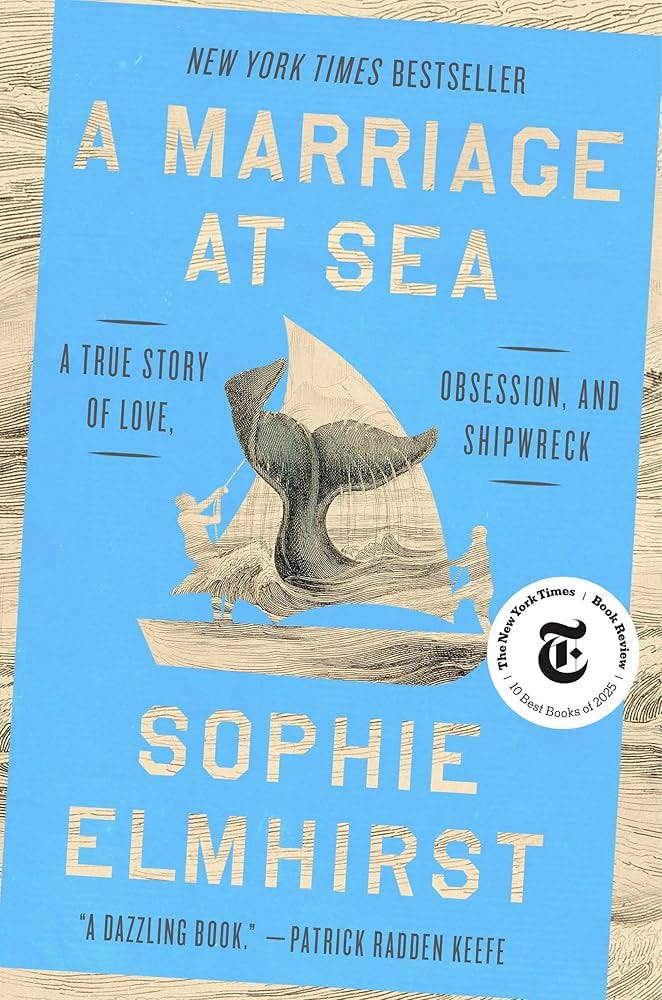
Marriage at Sea will make you glad you’re out on the beach as you dip into this compelling nonfiction account of survival at sea by Sophie Elmhirst. Based on the lives of Maurice and Maralyn Bailey, the couple spent months aboard their wooden boat exploring tropical islands and coral reefs before their dream boat sank. This is Elmhirst’s first book, and her journalism background comes to bear, yielding fantastic research. But while she gives lots of details about sailing, sunburn, and the diet of shipwrecked victims, the reader has to step in to bring the details into a meaningful whole and into a meditation on married life itself.
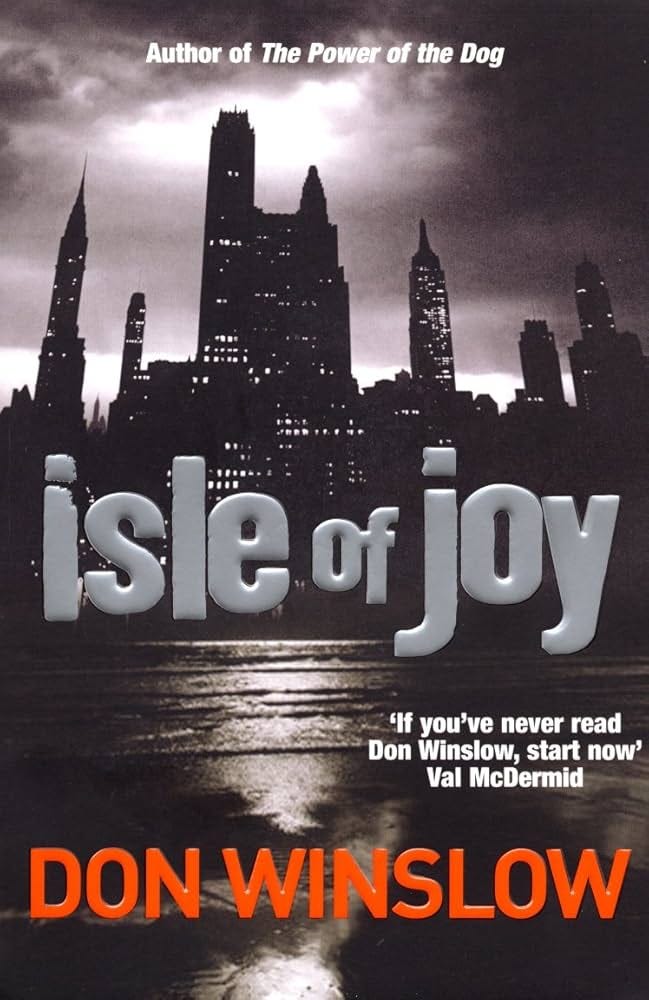
Beach Reading also offers time to reread favourites at leisure. I’m a fan of Don Winslow — my Dostoevsky of detective fiction — and I regularly return to one of his earlier works, Isle of Joy. Set in New York in 1958, ex-CIA officer Walter Withers returns to his hometown for an easier, safer life as a private investigator. One of his gigs is to guard the young presidential hopeful, Senator Joe Keneally, which then has Withers acting as bodyguard for Keneally’s girlfriend. Add a dead body and Withers as the prime suspect, and the novel moves at top page-turning speed while Withers has to go back to the past — to the CIA — for help if he hopes to see his own future. While mysteries aren’t written to reread — because you know whodunnit — I like to reread Winslow to see the master at his craft. In this early classic, the author provides a bittersweet take on characters who bear a likeness to JFK and Marilyn Monroe, which makes for a delicious read and reread.
I’m also a Tana French fan — likewise a writer of astonishing detective fiction. Her broken and contrary Dublin-based police characters are the soul of her books, and their personal dramas compete with the dark and horrific murder mysteries they must solve. I highly recommend her second book, The Likeness. In this sophomore effort, French has clearly found her style and voice, and now she really lets her characters run. Detective Cassie Maddox, who bears an uncanny likeness to a college-girl murder victim named Lexie, steps into that life to find out why and how Lexie died. By coming back to life as Lexie, Cassie begins to face the ghosts of her own past — and, haunted as she is, she might not notice she is being set up as the next murder victim.

Reading Roundup
Three Fantastic Fatherly Memoirs
Father’s Day calls for books that grapple honestly with the most complicated relationship most of us will ever know. Here are three that earn their place on any shelf.
Beautiful Boy by David Sheff
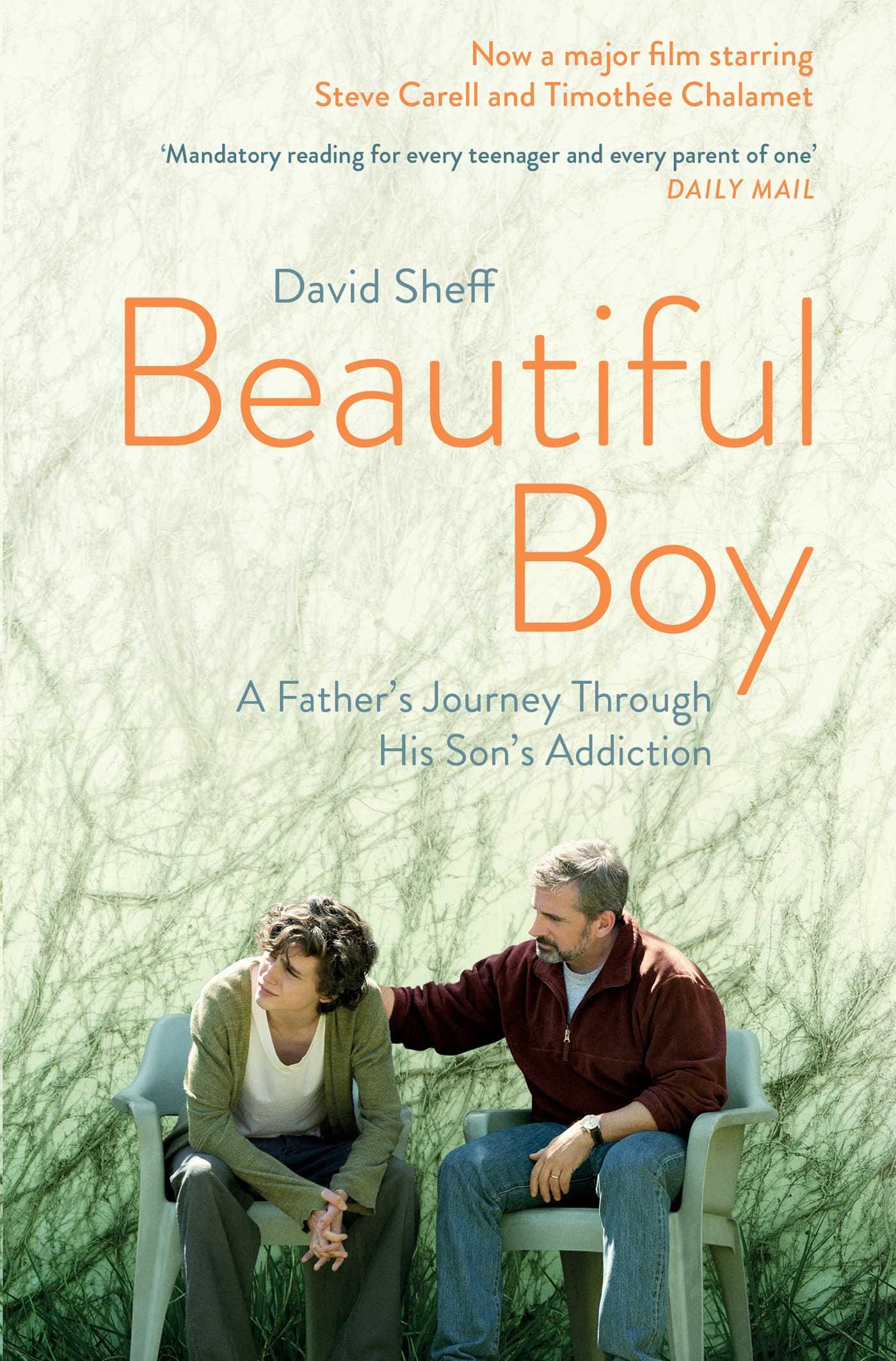
David Sheff’s account of watching his son Nic spiral into methamphetamine addiction is as raw and unflinching as memoir gets. Sheff writes as a father utterly undone — and yet still loving, still showing up — as he navigates the helplessness, the rage, and the bottomless grief of a parent who cannot save his child. It is a book about addiction, yes, but more profoundly it is about the ferocity of a father’s love.
An Odyssey: A Father, a Son, and an Epic by Daniel Mendelsohn
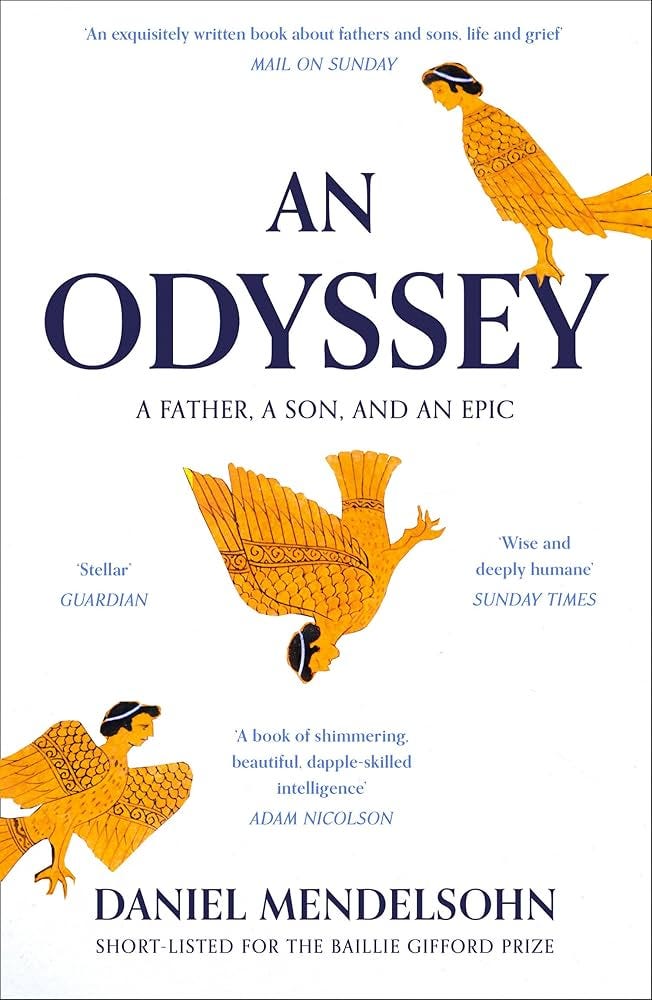
When Daniel Mendelsohn’s eighty-one-year-old father, Jay, turned up one day and asked to sit in on his son’s Odyssey seminar at Bard College, neither of them quite knew what they were starting. What followed — the classroom debates, the Mediterranean cruise retracing Odysseus’s route, and the slow, surprising discovery of a father who had always been somewhat opaque — became this layered and luminous memoir. Braiding Homeric criticism with intimate family history, Mendelsohn explores what the poem knows about fathers and sons that both men were still learning about each other.
Dreams from My Father by Barack Obama
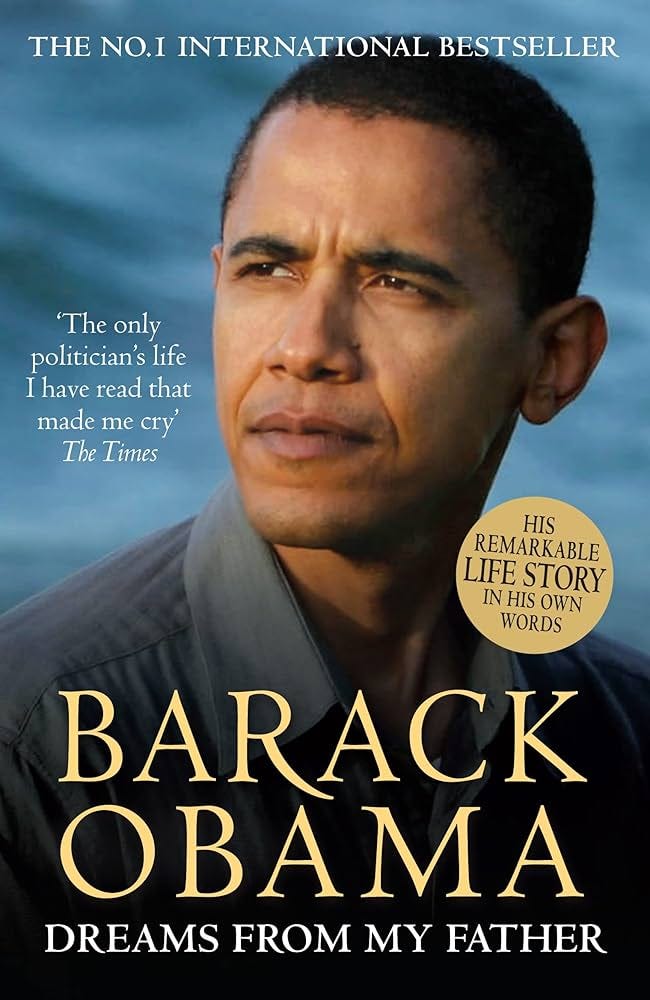
Written before the world knew his name, Obama’s memoir is a young man’s reckoning with a father he barely met — a brilliant, complicated Kenyan whose absence shaped everything. Tracing his journey from Kansas to Hawaii to Kenya, Obama writes with remarkable candour about race, identity, and the ghost of a father he had to invent as much as discover. It remains one of the most searching and beautifully written books about fatherhood in the American literary canon.
The Oxford Writers Workshop – Final Spaces Available
Thank you to everyone who applied for a scholarship to the Oxford Writers Workshop, taking place August 14–20 at Keble College, Oxford.
Applications for the BookGo Scholarship to the Oxford Writers Workshop at Keble College, Oxford (August 14–20, 2026) have now closed.
We have a few last minute spaces available if you still want to join us for an extraordinary week-long writing intensive in the heart of Oxford.
